our lighting work
Exterior and interior lighting studies
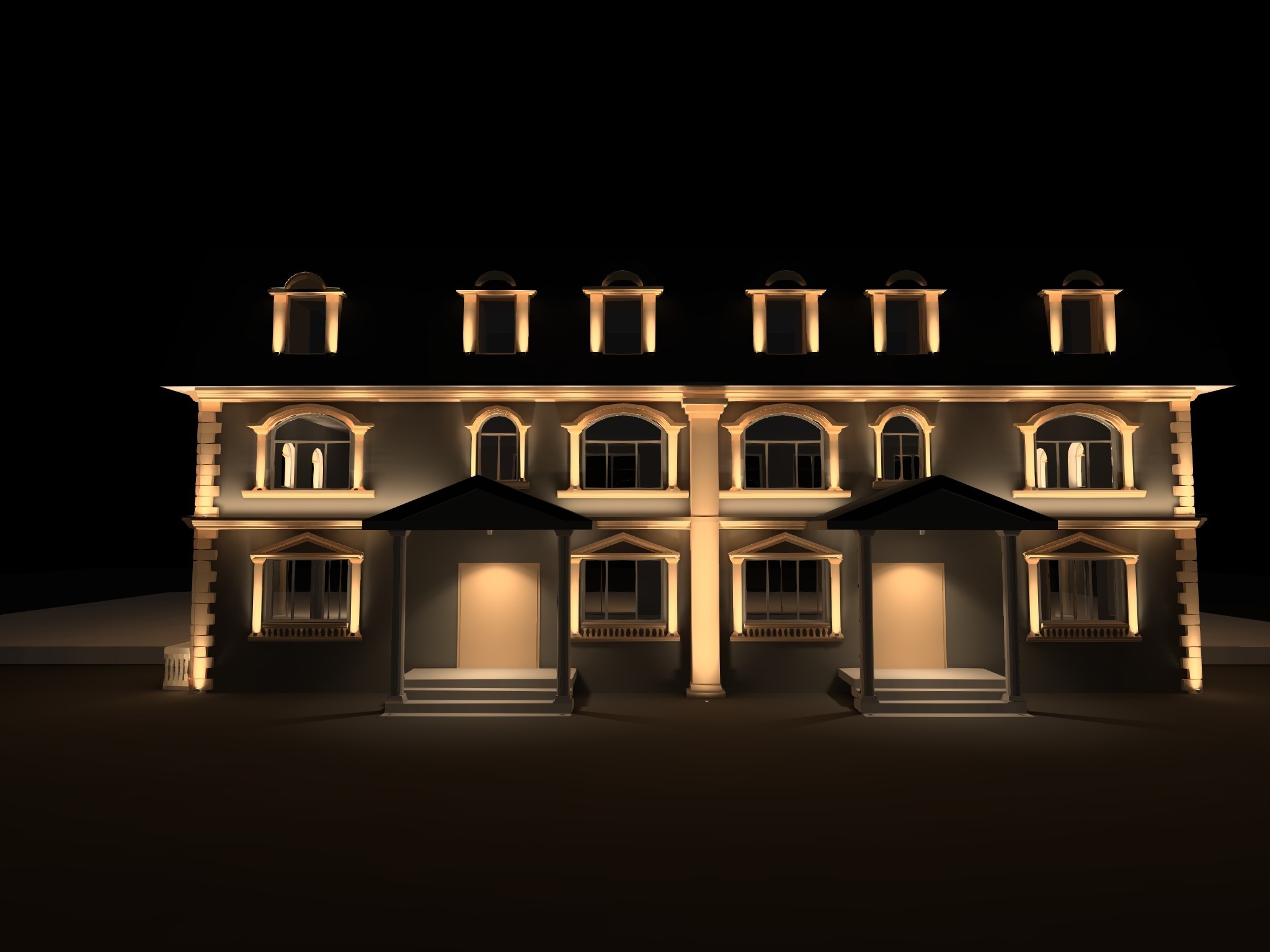
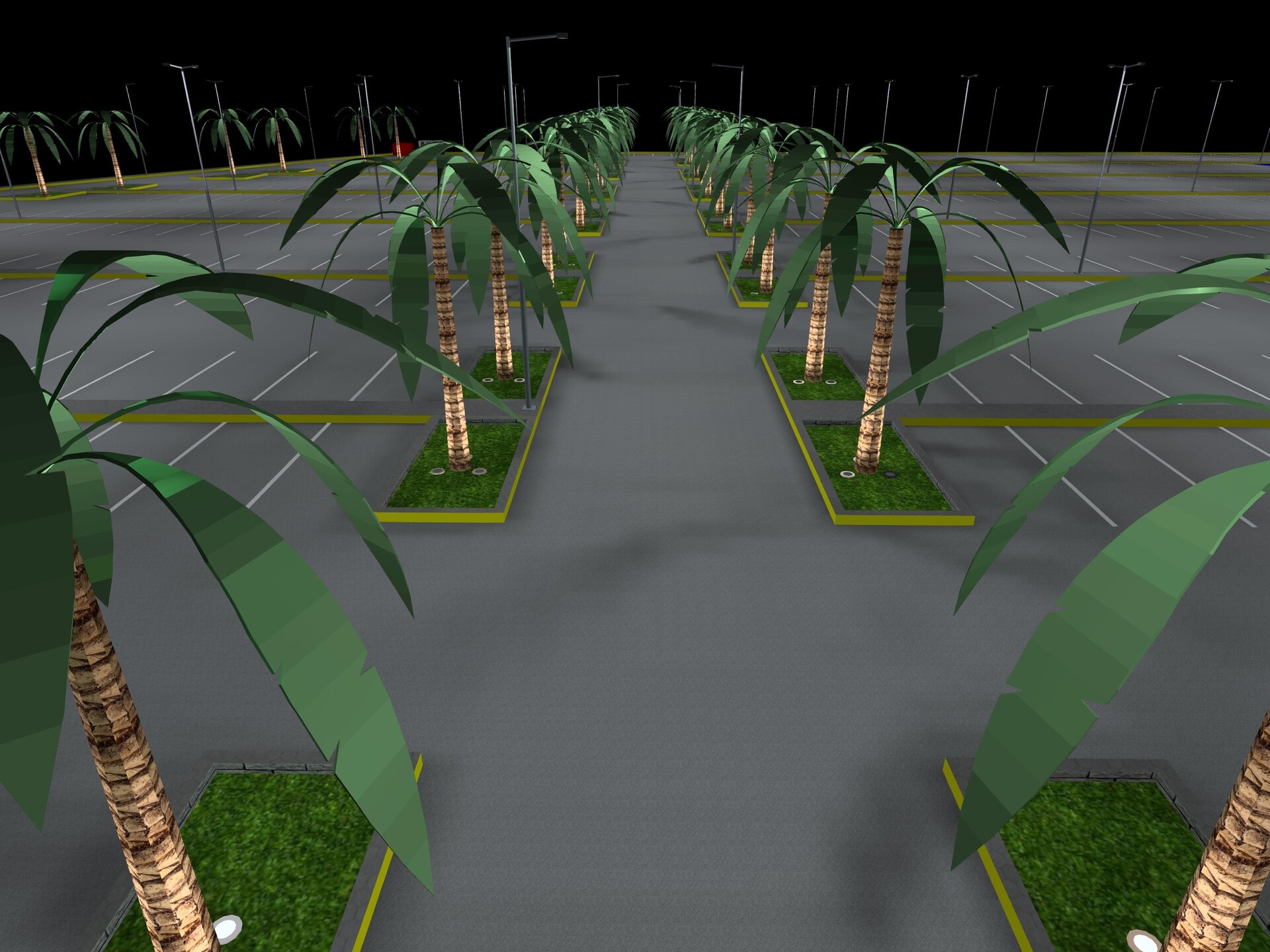
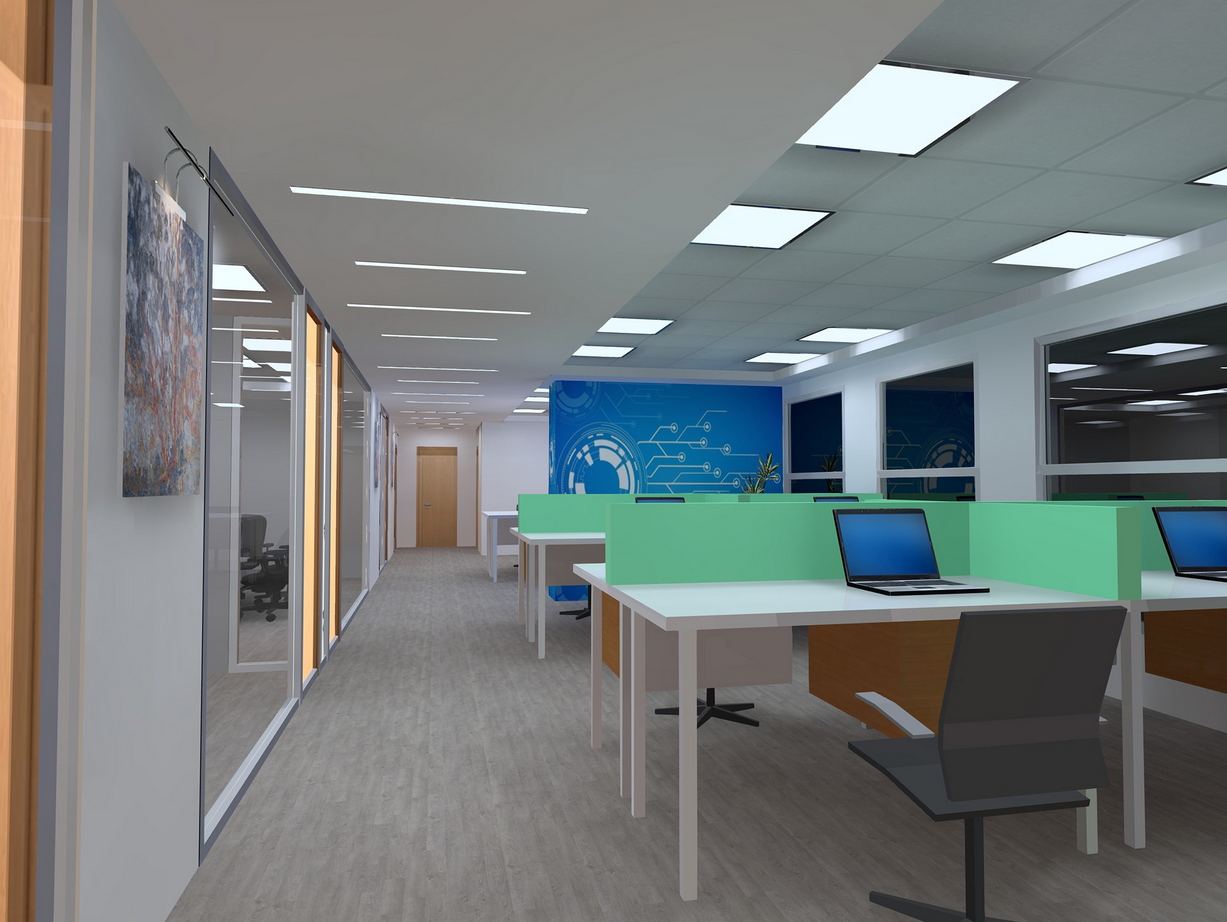
Calculations and reports that support the lighting credits of BREEAM and LEED: night-time light pollution, efficient external lighting and visual comfort. Built in DIALux Evo, structured so your assessor can check each criterion directly.
Request a quotegreen building certification
Most BREEAM and LEED schemes include lighting credits, and each one needs technical evidence: calculations, layouts, product data and a clear statement of how every criterion is met. Missing or unclear evidence is one of the most common reasons a credit is not awarded.
We prepare that evidence in DIALux Evo, to the criteria of the scheme and version used on your project — BREEAM New Construction, BREEAM In-Use or LEED — and present it in a report that follows the structure of the credit.
Certification itself is carried out by a licensed BREEAM Assessor or LEED reviewer. We work alongside them, as the lighting specialist on the team.
BREEAM Pol 04 — reduction of night-time light pollution
BREEAM Ene 03 — external lighting
BREEAM Hea 01 — visual comfort: internal and external lighting levels, zoning and control
BREEAM In-Use — equivalent lighting and light pollution issues
LEED — Light Pollution Reduction, Interior Lighting
Criteria differ between schemes and versions. Send us the scheme, version and target credits, and we confirm the scope and deadline the same working day.
what we deliver
Upward light ratio, obtrusive light at neighbouring windows and site boundaries, luminous intensity towards observers, facade and sign luminance, by environmental zone (E0–E4) to CIE 150:2017 and ILP guidance. Curfew scenarios included.
Luminaire efficacy and lighting controls checked against the scheme criteria: daylight sensors, time switches and dimming, with a schedule of installed luminaires.
Illuminance, uniformity and UGR per room to EN 12464-1, in line with the requirements of the scheme, with calculation surfaces placed where the criteria ask for them.
Zoning by occupant area and task, local control for occupants and the documentation the assessor needs to verify it.
Average daylight factor and uniformity for the relevant rooms in DIALux Evo. For climate-based daylight metrics we confirm feasibility once we see the project.
One report per credit: criteria, method, results and a clear compliance statement, plus the calculation files and drawings as appendices.
who this is for
our lighting work
simple and fast
Scheme and version, target credits, site plan or drawings, existing or proposed luminaires and, for existing sites, photos and operating hours.
We map each criterion to the calculations needed and send scope, price and deadline the same working day.
Calculations, compliance report per credit and source files. Clarifications for the assessor are included.
frequently asked questions
No. Only a licensed BREEAM Assessor can assess and certify a building. We provide the lighting calculations and evidence that the assessor reviews for the relevant credits.
The assessor decides whether a credit is awarded. We design and document to the criteria, and we tell you early if a criterion cannot be met with the current lighting, together with the changes needed.
Yes. For existing sites we model the installed lighting from drawings, photos and product data. A site survey is arranged when the project requires it.
BREEAM New Construction, BREEAM International New Construction, BREEAM In-Use and LEED v4 / v4.1. Tell us the exact version, as the criteria change between them.
Typically 5–15 working days, depending on the number of credits, the size of the site and the completeness of the data. The deadline is confirmed with the quote.
Send us the scheme, target credits and drawings, and receive a scope and quote the same working day.
Request a quote